Skip to main content Skip to main navigation menu Skip to site footer
logo
  • Login
  • Register
E-ISSN: 2146-1767
  • Home
  • Current Issue
  • Archives
  • For Authors
    • Author Guidelines
    • Online Submission
    • Reference Style
    • Call for Papers
    • Language Editing Service
  • For Reviewers
    • Reviewer Guidelines
    • Become a Reviewer
    • Reviewer Resources
  • Ethics & Policies
    • Artificial Intelligence (AI) Policy
    • Authorship and Contributorship
    • Conflicts of Interest
    • Copyright and Permission
    • Corrections and Retractions
    • Crossmark Policy
    • Editorial Policy
    • Human and Animal Rights
    • Informed Consent Policy
    • Journal Management
    • Open Access Statement
    • Research Ethics Policy
    • Publication Ethics Policy
  • Journal Info
    • About
    • Abstracting & Indexing
    • Peer Review Process
    • Publication Fee
    • Society Information
    • Useful Links
    • Contact
  1. Home /
  2. Search

Search

Advanced filters
Published After
Published Before

Search Results

##search.searchResults.foundPlural##
  • Comparison of ProTaper Ultimate, TruNatomy, and Rotate rotary files in apical debris extrusion

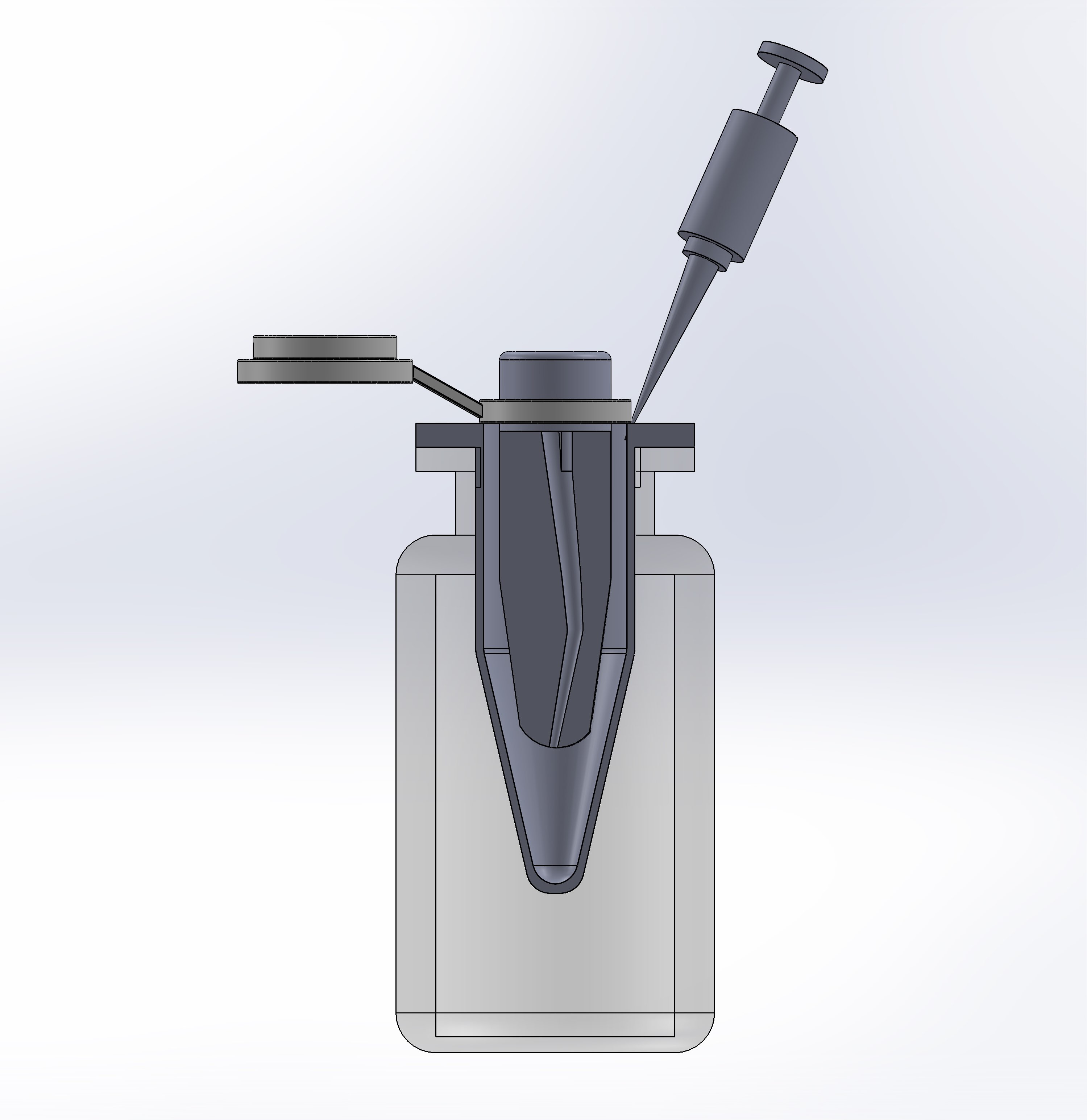
    Aim: The aim of this study is to evaluate the amount of debris extruded apically by the primary shaping files of three rotary file systems manufactured with different alloy technologies [TruNatomy (TRN), ProTaper Ultimate (PTUltimate), and VDW.Rotate (VDW.R) files]. Methodology: Thirty lower premolar teeth with moderate curvature (10-20°) were randomly divided into three equal groups (n=10) according to three rotary file systems [TRN (26.04v), PTUltimate (25.08v), and VDW.R (25.06v)]. The debris extruded apically was collected in Eppendorf tubes of known weights. After preparation, the tubes were placed in an incubator at 70°C for five days to evaporate the distilled water. The tubes filled with debris were then weighed again, and the net weight of the extruded debris was calculated in grams (g) by subtracting the initial weight from the final weight. The data were analyzed using one-way ANOVA test. Results: There was no significant difference in the amount of debris extruded apically by the three shaping files ( p > 0.05). The highest amount of debris extruded apically was 0.9534 g for PTUltimate. VDW.R extruded the minimum amount of debris apically, with 0.1833 g. Conclusion: All rotary files have caused apical debris extrusion. Even though there was no significant difference among the files, the VDW.R file extruded less debris compared to other file systems.   How to cite this article: Eskibağlar M, Yeniçeri Özata M, Timis Ll. Comparison of ProTaper Ultimate, TruNatomy, and Rotate rotary files in apical debris extrusion. Int Dent Res 2023;13(S1):26-31. https://doi.org/10.5577/idr.2023.vol13.s1.4   Linguistic Revision:  The English in this manuscript has been checked by at least two professional editors, both native speakers of English.
    Apically extruded debris, nickel-titanium file, root canal preparation, ProTaper Ultimate, TruNatomy, VDW.Rotate
    Mehmet Eskibağlar, Merve Yeniçeri Özata, Lucia lacobina Timis
    15.10.2023
    26-31
    Abstract Views: 4904 Download: 1361 DOI 10.5577/idr.2023.vol13.s1.4
  • Comparing the effect of Reciproc R25 rotary file system on the amount of apical extrusion of debris via using it with different reciprocal angles

    Aim: To compare the amount of apically extruded debris using Reciproc (R25) file with different reciprocal angles. Methodology: In this research, 60 extracted mandibular premolars with a single root, a single canal, and a single apical foramen were used. Specimens, the working length of which was determined by a stainless steel 10-K file, were randomly distributed into three experimental groups (n = 20) as follows: Group 1 150° counterclockwise (CCW)-30° clockwise (CW); Group 2 180° CCW-60° CW; and Group 3 210° CCW-90° CW. For the irrigation, 10 mL of distilled water was administered via syringe pump. The extruded debris was collected into Eppendorf tubes tared in advance. The distribution of data was analyzed using a Shapiro-Wilk test. A Kruskal-Wallis H test was used for statistical analysis. The null hypothesis is no significant difference between the groups in terms of the amount of apical extrusion of debris. Results: There was no statistically significant difference between the groups with regard to amount of apical extrusion of debris (p>0.05). Nevertheless, the highest average amount of extrusion of debris was detected in group 1, and the lowest in group 3. Conclusion: According to the results of this study, different reciprocal angles during chemomechanical preparation has no significant effect on the amount of apical extrusion of debris.   How to cite this article: Çelik N, Kaya S, Adıgüzel Ö. Comparing the effect of Reciproc R25 rotary file system on the amount of apical extrusion of debris via using it with different reciprocal angles. Int Dent Res 2021;11(Suppl.1):63-6. https://doi.org/10.5577/intdentres.2021.vol11.suppl1.10   Linguistic Revision:  The English in this manuscript has been checked by at least two professional editors, both native speakers of English.
    Reciproc, kinematics, reciprocation, debris extrusion
    Nezif Çelik, Sadullah Kaya, Özkan Adıgüzel
    30.09.2021
    63-66
    Abstract Views: 1855 Download: 679 DOI 10.5577/intdentres.2021.vol11.suppl1.10
  • Evaluation of ProTaper Ultimate, ProTaper Next, and ProTaper Gold system instruments for debris and irrigant extrusion

    Aim: The aim of this investigation was to compare recently released ProTaper Ultimate system (PTU) instruments, ProTaper Next (PTN), and ProTaper Gold (PTG) in terms of apically extruded debris and irrigant. Methodology: Forty-five human extracted mandibular molar teeth had their mesial roots decoronated. The roots were then split into three groups (n = 15) for the root canal preparation system: PTU, PTG, and PTN. Using the Myers and Montgomery technique, the roots were embedded in the experimental apparatus to collect and analyze the extruded material. The root canals were prepared according to the manufacturer's instructions. The weights of the extruded debris and irrigant were analyzed using ANOVA with post hoc Tukey tests to evaluate the level of significance (p < 0.05). Results: The PTU group produced the least amount of irrigant and debris. The amount of extruded irrigant produced by each group was statistically significantly comparable (p > 0.05). PTU produced lower debris weight than PTG in terms of debris extrusion (p < 0.05). For apically extruded debris, no statistically significant differences were observed among the other comparison pairs (p > 0.05). Conclusion: For apically extruded irrigant extrusion, the investigated instrument systems produced comparable results. Similar to PTG, the recently introduced PTU method showed promising findings.
    Irrigant extrusion, debris, rotary instruments, nickel-titanium, ProTaper Ultimate, ProTaper Next, ProTaper Gold
    Esma Sarıçam, Sümeyye Türker Konukman
    31.12.2025
    153-158
    Abstract Views: 609 Download: 235 DOI 10.5577/intdentres.614
  • Efficacy of passive ultrasonic activation and photon-initiated photoacoustic streaming on apical extruded debris of different rotary systems in curved canals

    Aim: The aim of this study was to investigate the impact of photon-initiated photoacoustic streaming (PIPS) and ultrasonic activator Ultra X (UX) on the extrusion of debris using the One Curve (OC) rotary system and the Reciproc Blue (RB) system in curved canals. Methodology: Ninety extracted mandibular first molar teeth were divided into six groups (n = 15), Group (1): OC with PIPS, (2) OC with UX, (3) OC with conventional needle irrigation (CNI), (4) RB with PIPS, (5) RB with UX, and (6) RB with CNI. The irrigation activation methods were used in the final irrigation with 2.5 cc of distilled water. The apically protruded debris was collected into pre-weighed Eppendorf tubes. By deducting the tube's initial weight from the final weight, the weight of dry protruded debris was calculated. Two-way ANOVA test was used to analyze the results statistically. Results: A significant difference was found among all groups ( p < 0.05). No statistically significant difference was found among the instrumentation systems, regardless of the irrigation technique employed ( p > 0.05).  The statistically significant difference was found among the PIPS, UX, and CNI irrigation systems, regardless of the rotary systems ( p < 0.05). CNI caused significantly less debris extrusion than the UX ultrasonic irrigation activation systems. Conclusion: The UX irrigation activation system caused the highest amount of debris extrusion in curved canals. PIPS can be preferred to ultrasonic devices as irrigation activation systems.   How to cite this article: Akman M, Bozkurt DA, Zogheib C. Efficacy of passive ultrasonic activation and photon-initiated photoacoustic streaming on apical extruded debris of different rotary systems in curved canals. Int Dent Res 2023;13(1):13-18. https://doi.org/10.5577/idr.2023.vol13.no1.3   Linguistic Revision:  The English in this manuscript has been checked by at least two professional editors, both native speakers of English.
    Apical debris extrusion, PIPS, laser-activated irrigation, ultrasonic activation, Reciproc Blue, One Curve
    Melek Akman, Durmuş Alperen Bozkurt, Carla Zogheib
    30.04.2023
    13-18
    Abstract Views: 1541 Download: 523 DOI 10.5577/idr.2023.vol13.no1.3
  • Evaluation of apical extrusion of debris during retreatment: R-Endo rotary instruments versus hand files

    Aim: The aim of this ex vivo study was to compare the amount of debris extruded during retreatment using stainless steel hand files (Hedstroem files) and R-Endo Nickel Titanium rotary instruments. Methodology: Eighty single-rooted freshly extracted human mandibular premolars were divided into two groups consisting of 40 teeth each. Retreatment was performed with R-Endo (Micro-Mega, Besançon, France) and Hedstroem files (Dentsply, Maillefer, Ballaigeus, Switzerland). The experimental teeth were obturated with lateral condensation technique. Then, 1.5-mL Eppendorf tubes were used to collecting the material that was extruded during preparation by subtracting post-instrumentation weight from pre-instrumentation weight. Results: There were significant differences in the amount of debris extruded between the groups (p<0.001). The amount of apical extrusion in the R-Endo group was determined to be less than in the hand instrumentation group. Conclusion: Within the limitations of this study, it might be concluded that all tested instruments resulted in apical extrusion of debris. During endodontic retreatment procedures, the hand files extruded a significantly higher amount of debris than the R-Endo.   How to cite this article: Yırgın Akgül N, Haznedaroğlu F, Vardar Ç. Evaluation of apical extrusion of debris during retreatment: R-Endo rotary instruments versus hand files. Int Dent Res 2022;12(2):82-7. https://doi.org/10.5577/intdentres.2022.vol12.no2.6   Linguistic Revision:  The English in this manuscript has been checked by at least two professional editors, both native speakers of English.
    Apical extrusion, retreatment, nickel-titanium files, R-endo file, hand file
    Nazan Yırgın Akgül, Faruk Haznedaroğlu, Çagla Vardar
    31.08.2022
    82-87
    Abstract Views: 1537 Download: 632 DOI 10.5577/intdentres.2022.vol12.no2.6
  • ProTaper retreatment system versus balanced force technique for apical extrusion and gutta-percha removal

    Introduction:  The aim was to compare root canal wall cleanliness, amounts of apically extruded debris and irrigant during retreatment using the ProTaper Universal Retreatment (PT) system or balanced force technique (BFT). Materials and Methods: Root canals of extracted mandibular premolar teeth (n=44) were endodontically prepared and obturated, then the teeth were divided into two groups: BFT and PT. Apically extruded material was collected into preweighed Eppendorf tubes using the Myers and Montgomery method. The root halves were photographed under a stereomicroscope. Area of the remnant filling material (coronal, middle, apical thirds and total canal surface) was measured by software. Data were analyzed by Mann-Whitney U test. Results: The BFT and PT system provided similar degrees of canal wall cleanliness (p > 0.05) and amounts of extruded irrigant (p>0.05). The PT system caused less debris extrusion (p<0.05). Conclusions: Although the BFT was shown to cause less apical extrusion in primary root canal treatment compared to other manual instrumentation techniques, in the present study, BFT caused more debris extrusion than the PT group.   How to cite this article:  Sarıçam E, Altunkaynak B, Kayaoğlu G. ProTaper Retreatment system versus balanced force technique for apical extrusion and gutta-percha removal. Int Dent Res 2019;9(2):63-8.   Linguistic Revision:  The English in this manuscript has been checked by at least two professional editors, both native speakers of English.
    Chloroform, endodontics, retreatment, root canal irrigant
    Esma Sarıçam, Bülent Altunkaynak, Güven Kayaoğlu
    31.08.2019
    63-68
    Abstract Views: 1949 Download: 1061 DOI 10.5577/intdentres.2019.vol9.no2.5
1 - 6 of 6 items

Journal Issue

Vol. 16 (2026): International Dental Research
Vol. 16 (2026) Continuous Publication
View Current Issue

Published Volumes

2026
  • Vol. 16 (2026): International Dental Research
  • Vol. 16 No. S1 (2026): International Dental Research
  • Vol. 16 No. Advanced Online (2026): International Dental Research
2025
  • Vol. 15 No. 3 (2025): International Dental Research
  • Vol. 15 No. 2 (2025): International Dental Research
  • Vol. 15 No. 1 (2025): International Dental Research
2024
  • Vol. 14 No. 3 (2024): International Dental Research
  • Vol. 14 No. Suppl. 1 (2024): International Dental Research
  • Vol. 14 No. 2 (2024): International Dental Research
  • Vol. 14 No. 1 (2024): International Dental Research
  • 2024: Advanced Online
2023
  • Vol. 13 No. S1 (2023): International Dental Research
  • Vol. 13 No. 3 (2023): International Dental Research
  • Vol. 13 No. 2 (2023): International Dental Research
  • Vol. 13 No. 1 (2023): International Dental Research
2022
  • Vol. 12 No. Suppl. 1 (2022): International Dental Research
  • Vol. 12 No. 3 (2022): International Dental Research
  • Vol. 12 No. 2 (2022): International Dental Research
  • Vol. 12 No. 1 (2022): International Dental Research
  • No. Accepted Articles: International Dental Research
Show more Show less
2021
  • Vol. 11 No. 3 (2021): International Dental Research
  • Vol. 11 No. Suppl. 1 (2021): International Dental Research
  • Vol. 11 No. 2 (2021): International Dental Research
  • Vol. 11 No. 1 (2021): International Dental Research
2020
  • Vol. 10 No. 3 (2020): International Dental Research
  • Vol. 10 No. 2 (2020): International Dental Research
  • Vol. 10 No. 1 (2020): International Dental Research
2019
  • Vol. 9 No. 3 (2019): International Dental Research
  • Vol. 9 No. 2 (2019): International Dental Research
  • Vol. 9 No. 1 (2019): International Dental Research
2018
  • Vol. 8 No. 3 (2018): International Dental Research
  • Vol. 8 No. 2 (2018): International Dental Research
  • Vol. 8 No. 1 (2018): International Dental Research
2017
  • Vol. 7 No. 3 (2017): International Dental Research
  • Vol. 7 No. 2 (2017): International Dental Research
  • Vol. 7 No. 1 (2017): International Dental Research
2016
  • Vol. 6 No. 1 (2016): Volume 6, No 1, 2016
2012
  • Vol. 2 No. 3 (2012): Volume 2, No 3, 2012
  • Vol. 2 No. 1 (2012): Volume 2, No 1, 2012
  • Vol. 2 No. 2 (2012): Volume 2, No 2, 2012
2011
  • Vol. 1 No. 3 (2011): Volume 1, No 3, 2011
  • Vol. 1 No. 2 (2011): Volume 1, No 2, 2011
  • Vol. 1 No. 1 (2011): Volume 1, No 1, 2011

socialshare

Submit Your Paper
Become a Reviewer

sidebarmenu

Journal Menu

 Home

 Aims & scopes

 Editorial Board

 Author Guidelines

 Abstracting & Indexing

 Peer Review Process

 Ethics Statement

 Plagiarism Policy

 Digital Archiving Policy

 Corrections and Retractions

 Journal History

 Journal Statistics

 Society Information

 Congresses & Events

 Language Editing

 Contact

idr


Citations
Updated daily Google Scholar
All Since 2021
Citations 1073 873
h-index 13 11
i10-index 18 12
0 50 100 150 200 250
  • 37 2019
  • 50 2020
  • 71 2021
  • 112 2022
  • 146 2023
  • 140 2024
  • 202 2025
  • 199 2026
Citations per year
Year Citations
2019 37
2020 50
2021 71
2022 112
2023 146
2024 140
2025 202
2026 (to date) 199

2026 counts citations recorded so far this year.

icmje and ithenticate

Indexed in CiteLink

EBSCO

TR Dizin Journal List

Keywords

Information

  • For Readers
  • For Authors
  • For Librarians

Latest publications

  • Atom logo
  • RSS2 logo
  • RSS1 logo
Most Read Articles
  • Endodontic Irrigation Solutions: A Review
    13336 13336 views 2017
  • Mechanical properties of resin composites containing bioactive glass and experimental nano zinc-silica complex
    11127 11127 views 2021
  • Areas for use of PEEK material in dentistry
    9560 9560 views 2018
  • Comparative evaluation of the responses from ChatGPT-5, Gemini 2.5 Flash, and DeepSeek-V3.1 chatbots to patient inquiries about endodontic treatment in terms of accuracy, understandability, and readability
    7864 7864 views 2025
  • Evaluation of the color stability and surface roughness of dual-cure, bulk-fill composites
    7181 7181 views 2021

announcement

Announcement

visitors

Visitors 

Flag Counter

Web Analytics

View My Stats

Most Cited Articles
  • Areas for use of PEEK material in dentistry
    162 162 citations 2018
  • Contemporary Permanent Luting Agents Used in Dentistry: A Literature Review
    61 61 citations 2011
  • The Latest Developments Related to Composite Resins
    44 44 citations 2017
  • PEEK in dentistry, properties and application areas
    37 37 citations 2020
  • A Literature Review of Self Adjusting File
    31 31 citations 2011

Browse

  • Categories
    • Open Access
    • Original Article
    • Review
    • Case Report
    • Letter to Editor
logo
E-ISSN: 2146-1767

Download App

Contact

Publisher: International Dental Research

Email: info@dental-research.com

Website: www.dental-research.com

Address: Publisher ZEUS PUBLISHING www.zeuspublishing.com

Social Media

ElsevierCiteLinkEBSCOOpen AccessCrossrefGoogle ScholarCOPECreative Commons

Copyright © 2011-2026 | International Dental Research. All rights reserved.
CC BY Open Access articles are distributed under the terms of the Creative Commons Attribution 4.0 International License,
which permits unrestricted use, distribution, and reproduction provided the original work is properly cited.

Privacy notice

This journal stores a session cookie that is required for the site to work, and keeps usage statistics that do not identify you.

More information